
Concussion: A Complex Injury with Variable Outcomes
Concussion has become a major topic of discussion in sports, healthcare, and neuroscience. Once regarded as a “mild head injury,” it’s now recognised as a complex neurological event that can affect every aspect of wellbeing—from balance and cognition to mood and sleep.
While most people recover within weeks, a significant minority continue to experience symptoms for months or even years. Understanding why this happens, and how best to manage it, requires a holistic, multidisciplinary approach that addresses not only the brain but the whole person.
What Is a Concussion?
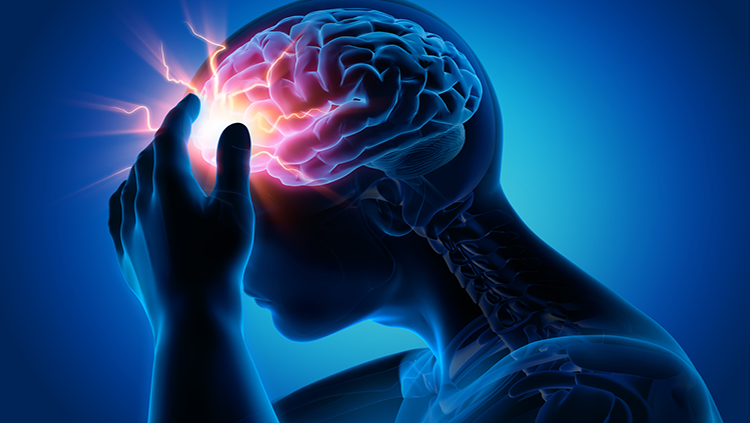
A concussion occurs when the brain moves rapidly within the skull due to a blow, jolt, or sudden acceleration-deceleration—such as in a sports collision, fall, or car accident. The movement causes a temporary disturbance in brain function. Importantly, this happens even without a loss of consciousness.
Concussion affects how the brain works, not how it looks on a scan. Routine imaging such as CT or MRI usually appears normal, even though the injured brain cells are undergoing metabolic and structural stress. This makes diagnosis primarily clinical, based on symptoms and functional testing rather than imaging results.
Recognising the Signs and Symptoms
Concussion symptoms can vary widely from person to person and may change over time. They can be physical, cognitive, emotional, or behavioural, including:
-
Headache or pressure in the head
-
Dizziness or balance problems
-
Nausea or vomiting
-
Blurred or double vision
-
Sensitivity to light or noise
-
Fatigue or drowsiness
-
Difficulty concentrating or remembering
-
Feeling “foggy” or slowed down
-
Mood changes such as irritability, sadness, or anxiety
-
Sleep disturbance—too much or too little
Because symptoms can be subtle or delayed, a concussion can easily be missed or underestimated. For this reason, it’s vital to seek assessment after any head impact or whiplash-type injury, even if symptoms seem mild at first.
The Variable Road to Recovery
Most people recover fully from concussion within two to four weeks. However, research consistently shows that 10–30% of individuals experience prolonged symptoms, known as post-concussion syndrome (PCS).
Persistent symptoms may include ongoing headaches, dizziness, fatigue, mental fog, poor concentration, or emotional instability. These can have a profound effect on quality of life, work, study, and relationships.
Why do some people recover quickly while others struggle?
There is no single answer. Recovery depends on multiple interacting factors, including:
-
Severity and location of the injury
-
History of previous concussions
-
Pre-existing mental health issues such as anxiety or depression
-
Early symptom burden—especially if severe headaches, dizziness, or confusion occur in the first few days
-
Neck and vestibular (balance) dysfunction
-
Stress and poor sleep quality
This complexity is why concussion is now understood as a multisystem injury, not just a blow to the head.
The Challenge of Diagnosis
Diagnosing concussion can be tricky. There is no single test or scan that confirms it. Clinicians rely on a detailed history, symptom checklist, and functional assessments of balance, vision, and cognitive performance.
Tools like the SCAT5 (Sport Concussion Assessment Tool) or Vestibular/Ocular Motor Screening (VOMS) help guide evaluation, but clinical expertise remains essential.
In some cases, subtle injuries to the neck, vestibular system, or autonomic nervous system may mimic or contribute to post-concussion symptoms. For example, dizziness or headaches may stem as much from cervical joint dysfunction or muscle tension as from brain injury itself. Identifying these overlapping contributors is key to effective treatment.
Prognosis: Predicting Recovery
Predicting who will recover quickly and who may develop persistent symptoms remains a challenge. However, research has identified some early indicators of slower recovery, including:
-
High symptom load within the first 48 hours
-
Dizziness and balance problems early on
-
History of migraine or mood disorders
-
Female gender (possibly due to hormonal or anatomical differences)
-
Previous concussions
While these factors don’t guarantee a poor outcome, they highlight the importance of early, personalised care. The sooner an individual is assessed and supported appropriately, the better their chance of a smooth recovery.
A Tailored, Multidisciplinary Approach
Given its complexity, concussion management is most effective when multiple disciplines collaborate to address the physical, cognitive, and emotional aspects of recovery.
At Harmony Health and similar integrative practices, concussion care may include:
1. Chiropractic and Manual Therapy
Gentle spinal and soft-tissue techniques can help reduce neck tension, restore movement, and ease headaches or dizziness caused by cervical joint dysfunction. Addressing musculoskeletal contributors early can accelerate recovery and improve comfort.
2. Vestibular and Balance Rehabilitation
Specialised exercises retrain the vestibular system (inner ear balance mechanism) and visual coordination. This is especially helpful for dizziness, motion sensitivity, or blurred vision after concussion.
3. Cognitive and Mental Health Support
Anxiety, frustration, and emotional fluctuations are common during recovery. Counselling or mindfulness-based therapies can help regulate mood and reduce the stress response that often perpetuates symptoms.
4. Lifestyle Medicine and Nutrition
Quality sleep, balanced nutrition, hydration, and stress management are vital to brain healing. Omega-3 fats, antioxidants, and adequate hydration support neural repair, while avoiding alcohol and excessive screen time helps the brain rest and reset.
5. Graded Return to Activity
Contrary to old advice, prolonged rest is no longer recommended. Instead, a gradual, symptom-guided return to physical and cognitive activity promotes recovery and prevents deconditioning. This must be tailored to the individual and monitored closely.
When Symptoms Persist
If symptoms continue beyond a few weeks, a more detailed evaluation is warranted. Persistent post-concussion symptoms can involve overlapping domains—cervical, vestibular, psychological, or autonomic—each requiring targeted care.
For instance:
-
Persistent neck pain may respond to gentle chiropractic or physiotherapy care.
-
Visual tracking problems may benefit from neuro-optometric rehabilitation.
-
Ongoing fatigue and dizziness may involve the autonomic nervous system, requiring graded exercise and breathing retraining.
The goal is to address all contributing factors simultaneously, rather than assuming all symptoms stem solely from the brain injury itself.
The Role of Mental Health
Emotional wellbeing profoundly affects concussion recovery. Individuals with pre-existing anxiety, depression, or high stress often take longer to recover. This is not because the symptoms are “in their head,” but because the brain-body stress system (the HPA axis) plays a key role in healing.
Supporting emotional health through mindfulness, counselling, and social connection can significantly improve outcomes. It also helps prevent the frustration and isolation that sometimes accompany prolonged recovery.
Hope and Healing
The good news is that most people recover fully from concussion with the right care. Even for those with lingering symptoms, targeted multidisciplinary treatment can restore balance and function.
Recovery requires patience and compassion—both from practitioners and from the person healing. The nervous system needs time and reassurance to regain confidence and equilibrium.
By approaching concussion as a whole-person condition, integrating physical, emotional, and lifestyle care, we create the best environment for the brain—and the body—to heal.
In Summary
Concussion is far more than a simple bump on the head. It’s a complex interaction between the brain, body, and nervous system—one that demands careful, individualised attention.
Because healing the brain means restoring harmony throughout the entire system—body, mind, and spirit.