
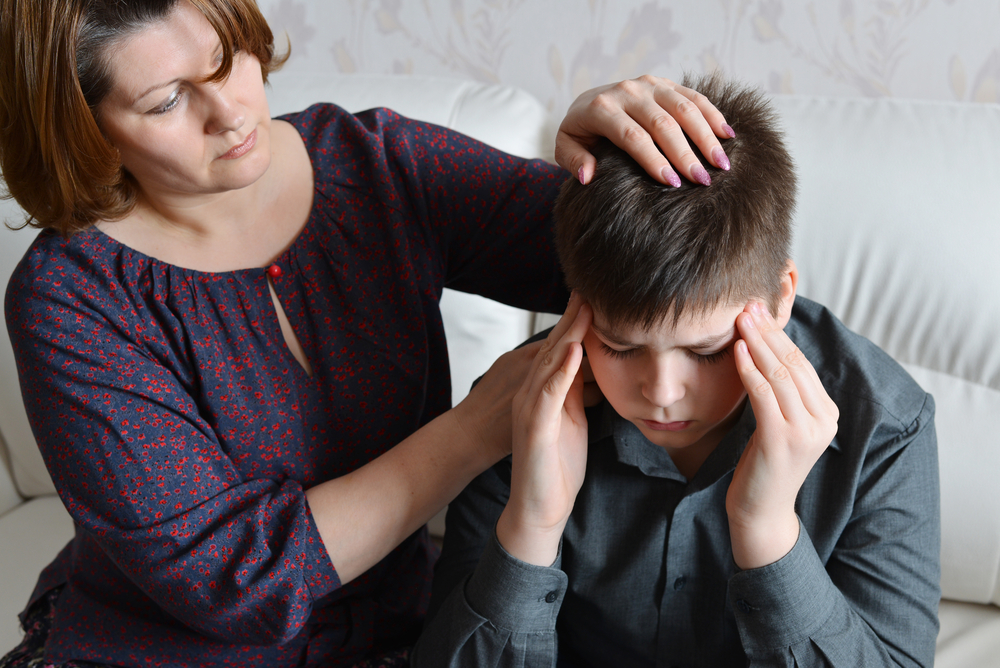
One of the worst moments for any parent of an active child is hearing the referee’s whistle, seeing a cluster of players on the ground, and realizing that your child is the one not getting up. In sport, these moments can happen in an instant — a collision during soccer, a fall during netball, a hard tackle on the footy field, or even a seemingly minor knock to the head while running for the ball. Sometimes the child gets up and insists they’re fine. Other times, they’re dazed, disoriented, or emotional.
Concussions can occur in all these scenarios — not only when a child is knocked out or falls to the ground. In fact, many concussions happen from hits or jolts that don’t even look dramatic: heading a soccer ball, bumping into another player, or hitting the ground awkwardly. However, it happens, a concussion should never be taken lightly.
What Exactly Is a Concussion?
A concussion is a type of mild traumatic brain injury caused by a bump, blow, or jolt to the head or body that causes the brain to move rapidly inside the skull. This sudden movement can stretch and damage brain cells, creating changes in how the brain functions — even if there’s no visible bruise or cut.
While concussions are considered “mild” compared to severe brain injuries, their effects can be anything but. A single concussion can temporarily affect memory, concentration, balance, coordination, mood, and sleep. Repeated concussions, or returning to sport too early, can have serious long-term consequences for brain health.
Common Signs and Symptoms
Symptoms of concussion can appear immediately after the injury — or may develop hours or even days later. It’s important for parents and coaches to watch for changes in behaviour, thinking, or physical wellbeing. Common signs include:
- Headache or pressure in the head
- Dizziness, balance problems, or blurred vision
- Nausea or vomiting
- Sensitivity to light or noise
- Confusion, slow thinking, or trouble remembering things
- Fatigue or drowsiness
- Irritability, mood swings, or personality changes
Children may not always be able to describe what they’re feeling. They might just seem “off” — unusually quiet, teary, or restless. Trust your instincts: if something doesn’t seem right, it’s worth getting checked.
What To Do If You Suspect a Concussion
If your child experiences a bump to the head or body and shows any symptoms of concussion, the first step is to stop them from playing immediately. Continuing to play, even if they “feel fine,” increases the risk of further injury and slows recovery.
Next, have your child evaluated by a qualified health professional. Medical evaluation helps rule out more serious injuries and guides recovery. If symptoms worsen — such as vomiting, worsening headache, slurred speech, or loss of consciousness — seek emergency care immediately.
The Role of Chiropractic Care in Recovery
At Harmony Health, we are vitally concerned with how children grow, heal, and recover from trauma. Concussions are not just a brain event — they also affect the musculoskeletal system, especially the neck and upper spine. The force that jars the head often impacts the alignment of the cervical spine and even subtle motion in the cranial bones.
These structural changes can contribute to lingering symptoms such as:
- Persistent headaches
- Neck stiffness or pain
- Dizziness or balance issues
- Difficulty concentrating (“fuzzy thinking”)
- Fatigue and irritability
Our chiropractors at Harmony Health use gentle, precise methods to evaluate and correct these imbalances. By restoring proper alignment and movement through the neck and spine, we aim to reduce pressure on the nervous system and promote optimal communication between the brain and body. This not only assists in recovery from the initial injury but can also help prevent ongoing issues that sometimes linger after a concussion.
Gentle, Child-Focused Evaluation and Care
Parents are often surprised by how subtle chiropractic care can be for children. Our approach is gentle, safe, and specifically adapted to growing bodies. We assess not only the spinal alignment but also the function of the cranial bones, which can shift slightly with impact. These minute adjustments can make a big difference in how a child feels and functions following head trauma.
We also take time to educate families about rest, hydration, nutrition, and gradual return to activity — all essential parts of concussion recovery. Healing from concussion isn’t just about “waiting it out”; it’s about supporting the body’s natural capacity to recover in every possible way.
When to Return to Play
Returning to sport too soon after a concussion is one of the biggest risk factors for prolonged symptoms or secondary injury. Each child’s recovery is unique, but as a rule, children should be symptom-free — both at rest and during gentle exercise — before returning to full training or competition.
At Harmony Health, we can help guide your child’s step-by-step return to activity, monitoring physical and neurological responses to ensure they’re truly ready to get back on the field.
A Message for Parents
If your child has had any trauma — even if it seemed minor — let us know. Getting your child evaluated as soon as possible is the best way to safeguard their long-term wellbeing. Concussions are serious, but with early assessment, careful management, and gentle treatment, most children recover fully and safely return to the activities they love.
At Harmony Health, our priority is your child’s health, growth, and vitality. If you have questions about concussion care, or if your child has experienced a knock or fall, contact us to schedule an evaluation. Our gentle, holistic methods can help alleviate symptoms, support recovery, and give you peace of mind knowing your child is in caring hands.
References & Further Reading
-
Sydney Children’s Hospitals Network – Concussion and Mild Head Injury Factsheet (2025) – clear overview of concussion symptoms, red-flag signs, and recovery steps.
-
Royal Children’s Hospital Melbourne – Head Injury – General Advice – explains how concussions can occur even without a major fall and when to seek medical attention.
-
Raising Children Network – Concussion in Children and Teenagers – practical advice for parents on care, rest, and return to activity.
-
Healthdirect Australia – Concussion: Symptoms, Signs and Treatment – government-verified overview of causes, warning signs, and first-aid steps.
-
Sports Medicine Australia – Concussion Management Guidelines – outlines safe return-to-play timelines and concussion protocols for youth sport.
-
RACGP (2024) – Assessment and Management of Sport-Related Concussion – clinical advice on evaluation and recovery, including minimum rest periods before resuming sport.
-
Shannon et al., Chiropractic & Manual Therapies (2022) – Sports-Related Concussion: Understanding Among Chiropractors – explores the role of chiropractors in identifying and supporting concussion recovery.
-
Germann et al., Clinical Practice & Epidemiology in Mental Health (2020) – Multimodal Management of Sport and Non-Sport Concussion – discusses the benefits of interdisciplinary, holistic care.
-
Patel (2020) – Case Report: Post-Concussion Syndrome and Chiropractic Management.
-
Safer Care Victoria (2019) – Review of Chiropractic Spinal Manipulation in Children Under 12 – emphasises the importance of gentle, evidence-based approaches in paediatric care.